Buying your first home is an exciting milestone, but we understand that getting started can feel overwhelming. From figuring out how much you can afford to understanding mortgage options, homeowners insurance, and finding the right property, there is a lot to consider! Yesterday, AMRE hosted our very first First-Time Homebuyer Class, and we had such a great time bringing together local professionals to help future homeowners feel more confident about taking the next step!
We were thrilled to welcome:
Each professional brought valuable knowledge and a different perspective to the table, covering important topics like homeowners insurance, mortgage financing, navigating the real estate market, and what buyers should know before purchasing their first home.
Couldn't make it to our class yesterday? Don't worry! We've put together some of the key takeaways to help you get started on your homeownership journey.
If you've been thinking about purchasing your first home in Pinellas County, here are some important things to know, what you should do, and what you should avoid before taking the leap into homeownership!
One of the biggest mistakes first-time homebuyers make is focusing only on the purchase price. Before you start looking at homes, sit down with a mortgage professional to understand what you can comfortably afford.
Remember, your monthly housing expenses may include:
Just because you qualify for a certain loan amount doesn't necessarily mean you should spend that much. Find a monthly payment that fits comfortably within your lifestyle and budget. It's also important to have savings set aside for unexpected repairs, emergencies, and other expenses that come with owning a home.
A good tip: Ask your mortgage professional to calculate your estimated total monthly payment, not just your mortgage payment. This will give you a much better picture of what homeownership will actually cost.

You don't need to have thousands of dollars saved for a down payment to begin exploring homeownership. There are several mortgage options available to first-time buyers, and the right one depends on your financial situation, credit history, income, and long-term goals.
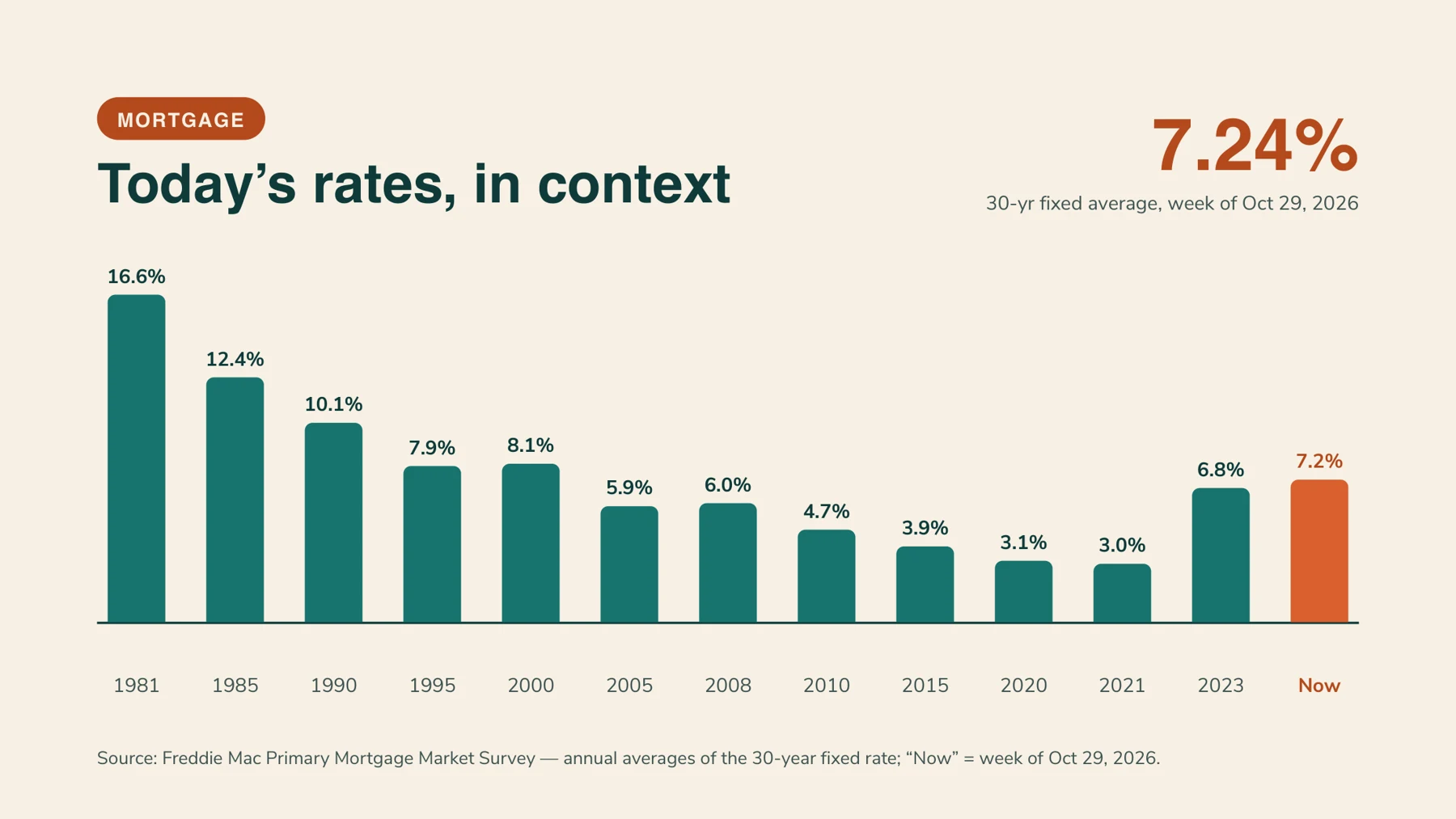
Here are a few financing options worth discussing with your mortgage professional:
Conventional Loans: These loans are offered through private lenders and may allow qualified buyers to purchase a home with a smaller down payment. Private mortgage insurance (PMI) is generally required when putting less than 20% down.
FHA Loans: These government-backed loans may offer more flexible credit and down payment requirements for qualifying buyers.
VA Loans: Eligible veterans, active-duty service members, and certain surviving spouses may qualify for VA financing, which can offer benefits such as no required down payment.
Down Payment Assistance: Ask about programs that may help eligible buyers with down payments and closing costs. Some programs have income, purchase price, credit, and occupancy requirements.
Another important thing to remember is that you should compare mortgage options. Ask about interest rates, loan terms, closing costs, lender fees, and whether buying discount points makes sense for your situation. Before choosing a lender, request a Loan Estimate so you can compare the estimated costs of different mortgage offers.
What to avoid:
Your mortgage approval is based on your financial picture, and even small changes can affect the process.
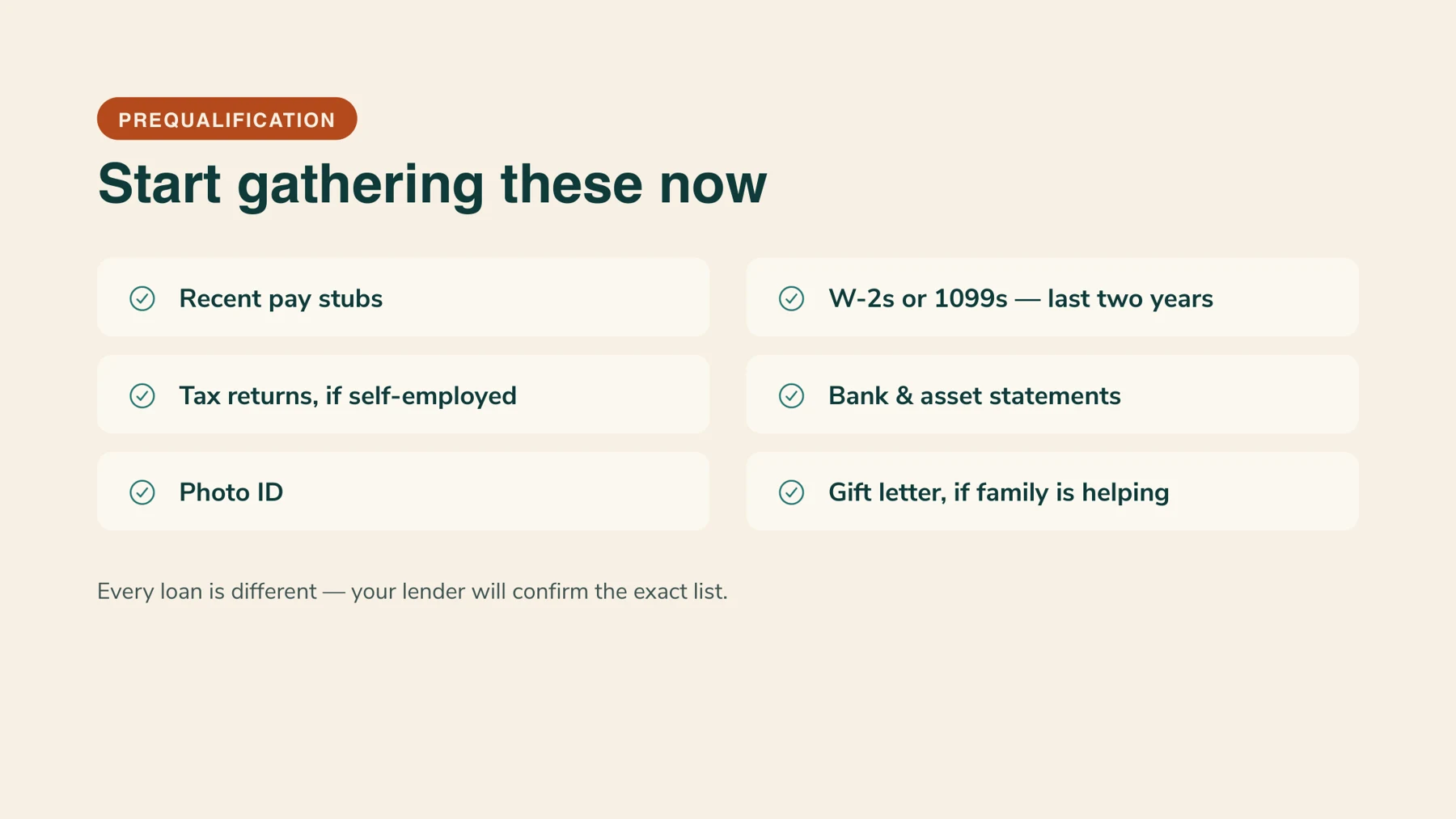
If you're purchasing a home in Florida, homeowners insurance is something you want to research early in the process. Insurance costs and availability can vary depending on the property's location, age, roof condition, construction, and other factors. Before making an offer or during your inspection period, consider speaking with an insurance agent to get an estimate for the property you're interested in purchasing.
Here are some important things to look into:
The age and condition of a roof can affect insurance options and pricing. Ask when the roof was last replaced, whether there are permits available, and if any repairs have been completed.
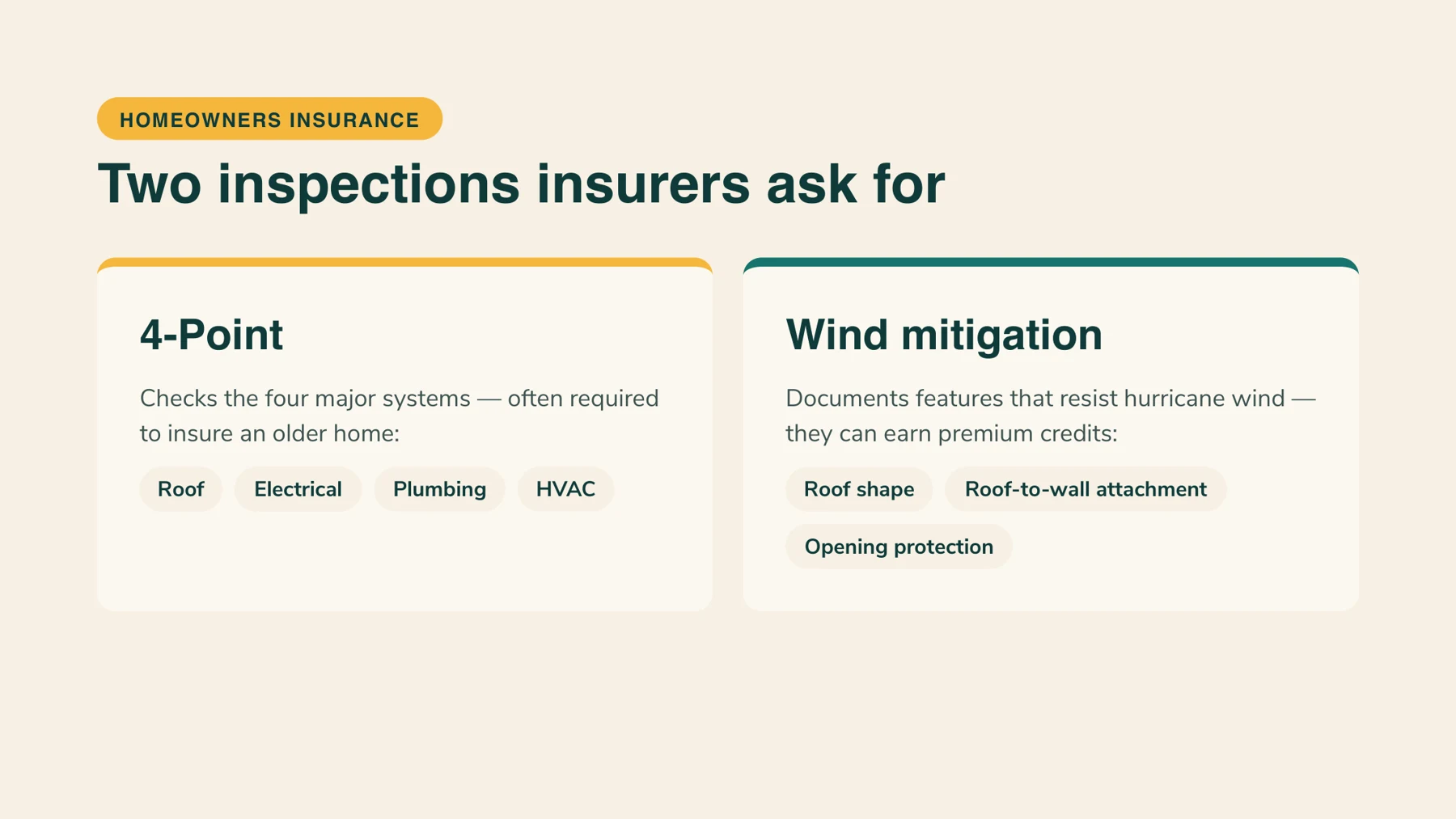
Some insurance companies require a four-point inspection, especially for older homes. This generally reviews four major areas:
These inspections help insurance companies evaluate the property's condition and potential risks.
Florida homeowners may qualify for insurance discounts based on certain wind-resistant features of a home. A wind mitigation inspection can identify features such as roof-to-wall connections, roof shape, opening protection, and other construction details.
Don't just look at the annual premium. Make sure you understand your hurricane deductible, coverage limits, exclusions, and whether your policy provides replacement cost or actual cash value coverage where applicable.
The cheapest policy isn't necessarily the best policy if it doesn't provide the protection you need.
This is especially important when purchasing a home in Pinellas County.
Because we're surrounded by water, buyers should take the time to understand the flood risk associated with any property they're considering.
Before purchasing, look into:
One important thing to remember is that standard homeowners insurance generally does not cover flood damage. Flood insurance is typically a separate policy. Also, flood zones and hurricane evacuation zones are not the same thing. Both are important to understand when evaluating a property in our area.
You can look up a property's flood information through Pinellas County's website before making a purchasing decision. Don't let a beautiful waterfront view or a great-looking property distract you from understanding the potential costs and risks associated with its location.
Having someone knowledgeable by your side can make a big difference, especially when purchasing your first home.
A real estate professional can help you:
In Pinellas County, every area offers something different. Whether you're considering St. Petersburg, Clearwater, Largo, Seminole, Palm Harbor, or another surrounding community, take the time to explore your options.
Think about your commute, lifestyle, neighborhood, future plans, and what matters most to you.
Don't be afraid to ask questions! Your real estate professional is there to help you understand the process and make informed decisions.
The real estate market is constantly changing and understanding what's happening locally can help you make better decisions. According to September 2026 Pinellas County single-family home market statistics:
Homes received approximately 94.7% of their original asking price on a median basis.
These numbers show that buyers should be prepared, but they also have reasons to take their time, evaluate properties, and consider negotiations. These figures reflect single-family homes, so condo and townhouse market conditions may differ.
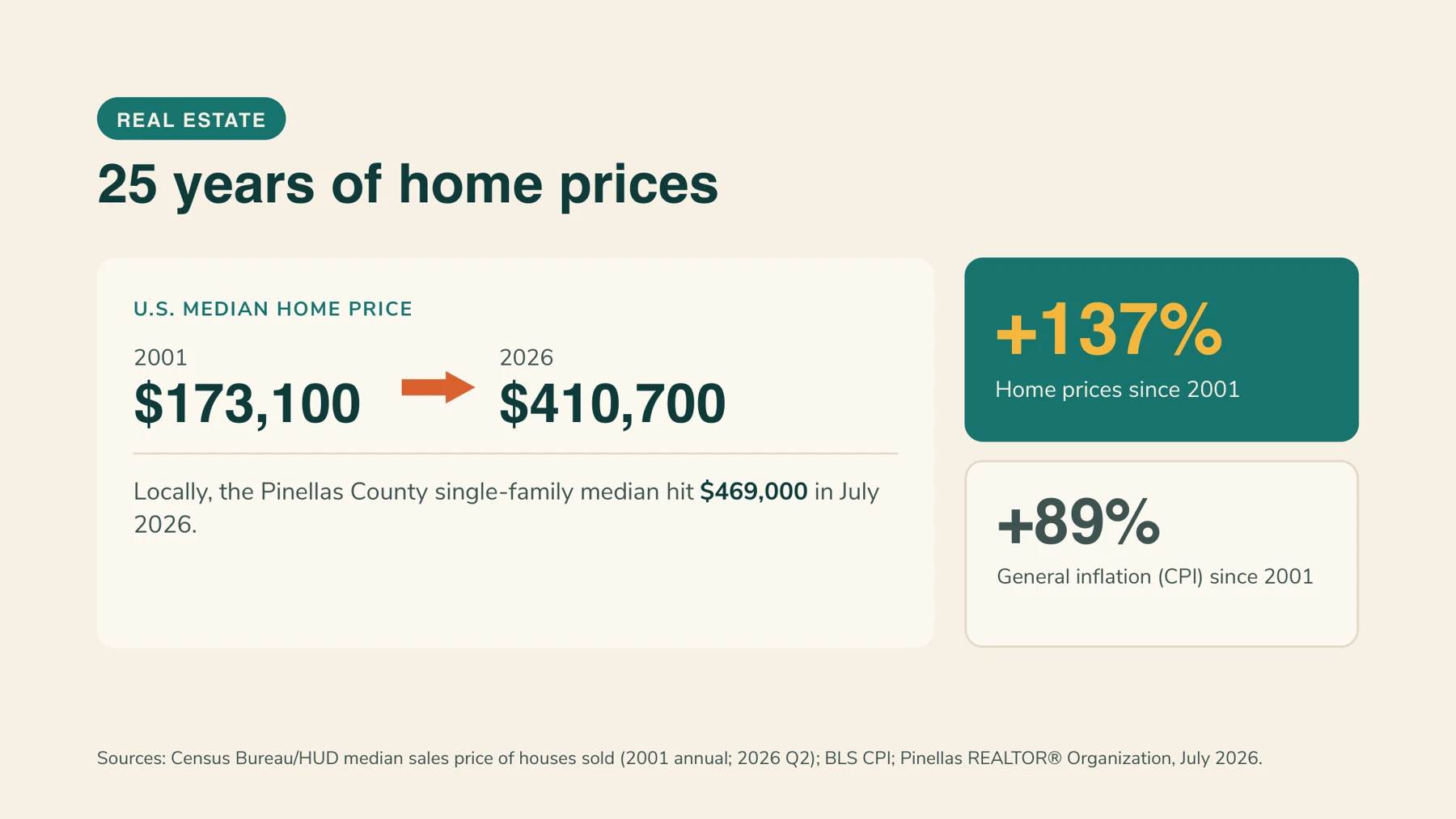
Here are a few things buyers should pay attention to:
The right home isn't necessarily the newest or most expensive one. It's the home that fits your needs, budget, and long-term goals.
While there are plenty of things you should do when preparing to buy a home, there are also some things you should avoid!
One of the biggest takeaways from our First-Time Homebuyer Class was the importance of having the right team. A mortgage professional helps you understand financing and loan options. An insurance agent helps you prepare for coverage and insurance costs. A knowledgeable real estate professional helps you navigate the market and find the right property.
Each person plays an important role in helping you make informed decisions.
At AMRE, we believe education is one of the most important parts of the homebuying journey. We loved bringing these professionals together and helping future homeowners feel more comfortable taking their first steps.
Whether you're just starting to think about buying, currently renting, or actively searching for your first home, we're here to help!
You don't have to have everything figured out before reaching out. Sometimes the first step is simply asking questions and learning what's possible.
Contact Asset Management Real Estate (AMRE) today! We'd love to help you navigate your real estate journey, answer your questions, and take the next step toward homeownership.
Your first home could be closer than you think!